
For the Health Fund, the way we think about health is critically linked to access to the care and support we all need as we age. Many Michigan communities face significant barriers that contribute to poorer health outcomes and quality of life as members get older.
In Detroit, these differences have been observed over the course of 20 years through a longitudinal study known as Dying Before Their Time.
First commissioned by our grantee partners at the Detroit Area Agency on Aging (DAAA) in 1999, the study showed in stark detail that older adults in Detroit die at a significantly younger age than in other parts of the state, with environmental factors and unmet social and health needs serving as drivers behind these gaps.
After the most recent installment in 2020 showed that these high mortality rates were not coming down — despite the growing body of evidence that they were happening — DAAA launched a comprehensive planning process to address health inequities in Detroit.
Five years later, DAAA is gaining national recognition for its innovative approach and the outcomes of this work.
INTEGRATING EFFORTS TO ADVANCE AGING EQUITY
After formulating its initial plan, DAAA approached the Health Fund seeking support, which led to a 2022 grant that helped implement collaborative approaches in six key areas, including health, education, economics, coordination of services, neighborhood and the built environment, and the digital divide.
With Health Fund support, DAAA worked to address health disparities by engaging public and private partners, community stakeholders, and constituents to better coordinate and integrate services for social determinants of health. These efforts also focused on expanding access to technology for older residents and caregivers — removing barriers to care.
This work was led by five work groups with robust community input, including direct input from older adults on the services and support they need. A key accomplishment was the creation of a first-of-its kind platform, the CareLinkMI Mobile App, to connect older adults and caregivers to trusted services, resources, and support.
IN-HOME CARE REDUCES BARRIERS, EARNS NATIONAL RECOGNITION
In recent years, this work greatly informed the creation of a new DAAA initiative to increase access to care by delivering health care services at home to hundreds of homebound older adults in Detroit.
Through its Home-Based Primary Care Program, the agency is bringing “the hospital into the home” and providing coordinated preventive care to improve outcomes for these residents, while also connecting them to social supports and programs.
Launched in May 2025, the program responds to a community need that DAAA CEO Ronald Taylor noted was made even clearer by the COVID-19 pandemic. Early findings and results from this innovative initiative are promising: 90% of respondents to a DAAA community survey supported introducing home-based services, and the program has already served more than 20 patients, with plans for many more.
Agreements with health insurers are helping to provide a stable funding source to continue these services and help overcome a critical barrier to health care access for a population in need of support in Detroit.
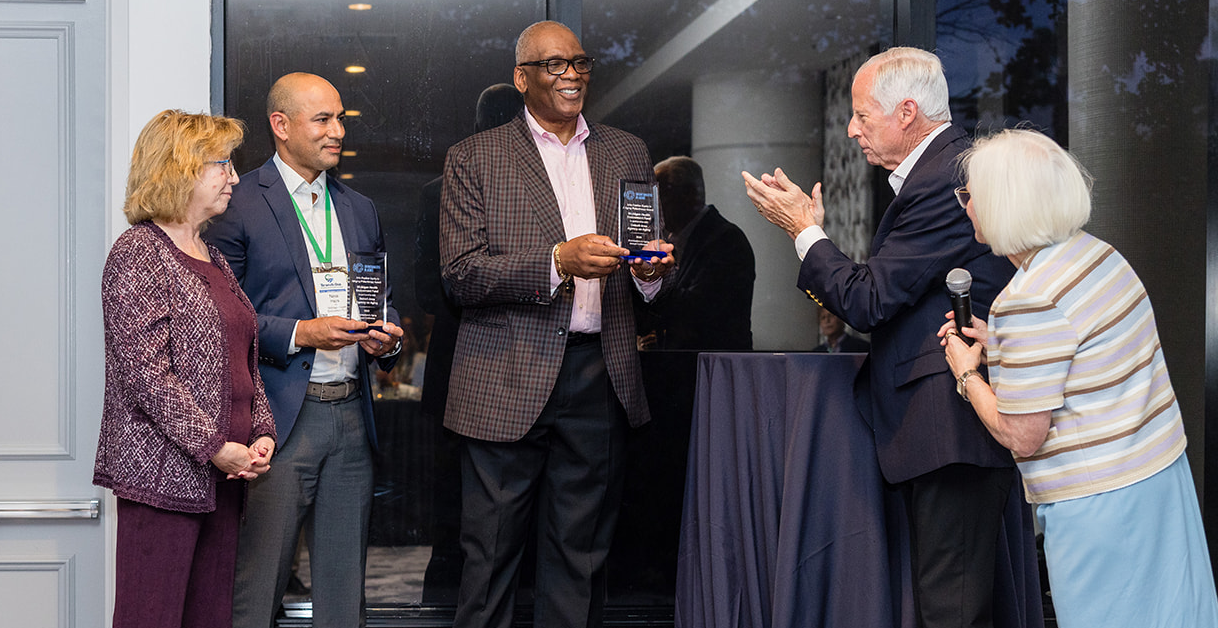
In October, this work was recognized through a prestigious national honor, as the Health Fund and DAAA were announced as the recipients of the 2025 John Feather Equity in Aging Award from Grantmakers in Aging for this initiative. We were thrilled that leaders from DAAA were on hand in Long Beach, California to receive the award alongside our staff.
It’s worth noting this is one of four in-home primary care initiatives the Health Fund has supported in our state in recent years, as our team has recognized the tremendous potential of this model to help homebound older adults access preventive care and manage chronic diseases.
In addition, we’ve supported numerous projects aimed at curbing aging disparities and advancing equity for a wide range of communities and groups. From grants aimed at increasing health care access for older adults in Michigan’s rural counties to support for LGBTQ+ elders, our grantmaking continues to focus on addressing the factors that limit our unique communities from aging healthy and well.
Our next Healthy Aging grant RFP will launch in early Spring. If you’re interested in partnering with us to advance equity in aging in your community, visit our Healthy Aging program page, review our previous grants, or contact of our program team.